


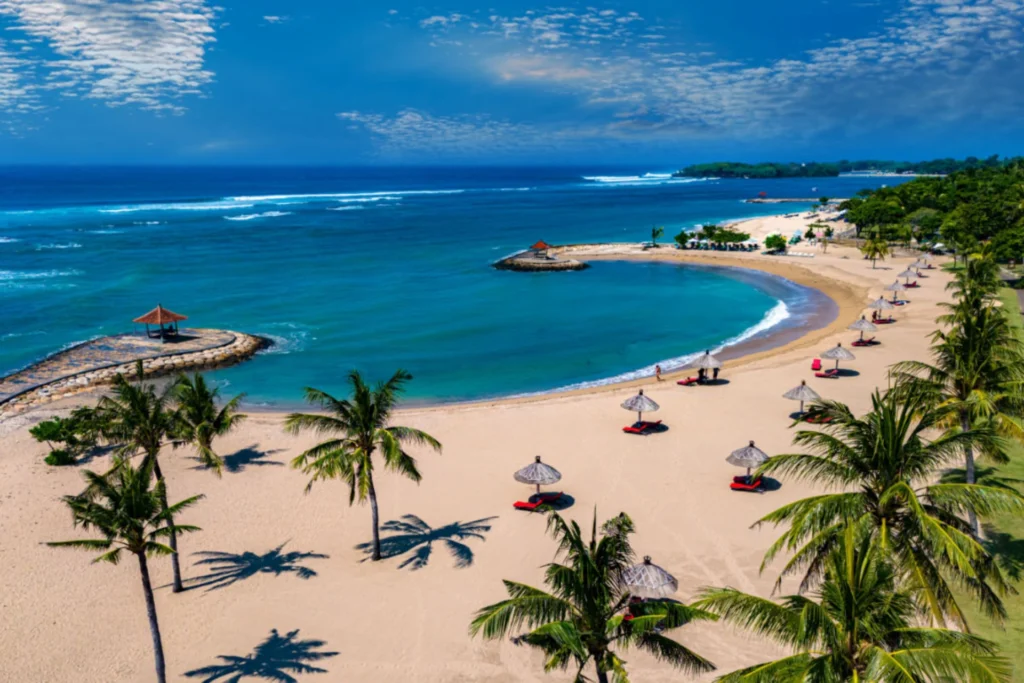
Stepping off the plane at I Gusti Ngurah Rai International Airport, the excitement of the “Island of the Gods” is immediate—but so is the confusion. As a first-time traveler, your brain is likely buzzing with questions: How much should I pay for a taxi? Which ATM won’t swallow my card? Where can I find a decent meal while I wait for my hotel check-in? Navigating money access around Bali for beginners is the first step to turning potential travel stress into a seamless tropical adventure.
From securing your first few million Rupiah to finding the best ride-hailing apps, this guide is designed to help you navigate Bali’s unique financial and tourist landscape with confidence.
1. Getting Around Bali as a Foreigner
Bali does not have a traditional public transit system. To get from point A to B, you rely on wheels:
- Ride-Hailing Apps: Download Grab and Gojek. These are essential. They offer fixed pricing for cars and motorbikes, saving you from the “tourist tax” often found in street taxis.
- Private Drivers: For day trips to see temples in Ubud or beaches in Uluwatu, hiring a driver for 8–10 hours (approx. $40–$60 USD) is the gold standard for convenience.
- Scooter Rentals: Popular in Canggu and Kuta, but only for the brave. Ensure you have an international driving permit and always wear a helmet.
2. Finding Food & Restaurants Around Tourist Areas
You will never go hungry in Bali. The island offers everything from $2 local meals to $200 fine dining.
- How to Search: Most tourists use Google Maps to find “restaurants around me.” Look for the term “Warung”—these are local eateries.
- Area Styles: You’ll find healthy smoothie bowls around Canggu, upscale bistros around Seminyak, and traditional suckling pig (Babi Guling) around Ubud.
- Connectivity: Most restaurants offer free Wi-Fi, making them great “pit stops” to plan your next move or check your bank balance.
3. Accessing Money: ATMs & Money Changers
Handling cash is the most vital part of money access around Bali for beginners. While many cafes take cards, you need cash for markets, tips, and small transport.
- Safe ATMs: Always use ATMs located inside a bank branch (like BCA, Mandiri, or BNI). Avoid standalone machines in dark corners or convenience stores to minimize the risk of card skimming.
- The “Card Last” Rule: Note that Indonesian ATMs often give you the cash first, then the card. Many tourists walk away forgetting their card. Wait for it!
- Money Changers: Only use authorized dealers with a professional storefront and a “No Commission” sign. Never exchange money in the back of a shop or a “tourist info” booth.
4. Daily Essentials for Tourists
- Convenience Stores: Indomaret, Alfamart, and Circle K are your lifelines. They are everywhere and are the best places for bottled water, snacks, and basic toiletries.
- SIM Cards: You can buy them at the airport, but they are cheaper at authorized Telkomsel or XL stores in town. You will need your passport for registration.
- Pharmacies: Look for Guardian or Kimia Farma for high-quality medicine, sunblock, and mosquito repellent.
5. Best Areas in Bali for Tourists: Navigational Breakdown
Kuta
- The Vibe: Busy, touristy, and full of energy.
- POV: Great for finding cheap surf gear and dozens of ATMs within walking distance.
- Why go: It’s the classic entry point for beginner surfers and backpackers.
Seminyak
- The Vibe: Sophisticated, fashionable, and luxury-oriented.
- POV: Easy to find high-end “money access” and boutique shopping.
- Why go: Best for sunset beach clubs and fine dining.
Canggu
- The Vibe: The “Digital Nomad” and influencer hub.
- POV: You’ll find a co-working space and a trendy cafe on every corner.
- Why go: For the social scene, gyms, and vibrant nightlife.
Ubud
- The Vibe: Spiritual, lush, and artistic.
- POV: Narrow streets best explored on foot or by motorbike; lots of craft markets.
- Why go: For yoga, rice terraces, and traditional Balinese culture.
6. Tips & Safety for Foreigners in Bali
- The “Bali Belly” Rule: Never drink tap water. Use bottled or filtered water even for brushing your teeth if you have a sensitive stomach.
- Money Safety: Keep your cash in a secure crossbody bag. When using a money changer, count the money yourself before leaving the counter.
- Cultural Awareness: Always wear a sarong when entering temples and avoid stepping on the Canang Sari (flower offerings) on the sidewalks.
7. Why Bali is Tourist-Friendly
Bali is designed for visitors. English is widely spoken in all tourist zones, and the sheer variety of services—from luxury spas to local tours—means there is a solution for every problem. The island’s hospitality is world-famous, making it a safe and welcoming place for beginners.
8. Need Secure Financial Assistance?
If you are traveling with digital assets or need a safe way to manage larger funds without high bank fees, we provide a professional bridge to local currency.
👉 Contact us on WhatsApp: +6285176981688
Our Secure Service:
- Contact us for current exchange rates.
- Transfer via our secure crypto wallet QR.
- Receive Indonesian Rupiah (IDR) cash or bank transfer instantly.
Disclaimer:
We are not a crypto exchange. We operate as an aggregator, connecting customers with 4+ licensed exchange partners to compare available rates.
Any rate shown is for reference only and may vary based on market conditions, liquidity, and the selected exchange.
In accordance with the Stablecoins Ordinance, we do not provide quotes. For current market information, please refer to authoritative sources or consult a financial advisor.