

This Crypto to IDR in Bali Without Bank Account Guide is designed to help international travelers and digital nomads navigate the unique financial landscape of Indonesia while maintaining their digital privacy. Many visitors arrive in Bali with a significant portion of their travel budget held in digital assets like USDT or Bitcoin, only to find that traditional banking systems are surprisingly rigid for those on tourist visas. Because opening a local bank account requires residency permits like a KITAS, finding a secure way to bridge the gap between your crypto wallet and the local currency, the Indonesian Rupiah (IDR), becomes a top priority for a seamless tropical experience.
The Legal Landscape of Cryptocurrency in Indonesia
Before you begin your journey of exchanging digital assets, you must understand the local regulations that govern these transactions. In Indonesia, the government classifies cryptocurrencies as commodities rather than legal tender. The Commodity Futures Trading Regulatory Agency (Bappebti) oversees the sector, ensuring that all trades are conducted through registered entities. This means that while you can legally own and trade crypto, you cannot use it to pay for your surf lessons or your villa rental directly.
If you are following this Crypto to IDR in Bali Without Bank Account Guide, your primary goal is the conversion of these commodities into physical or digital Rupiah. Since Indonesian law mandates that all domestic transactions must be settled in IDR, you are essentially selling a digital commodity to acquire the necessary local currency. By using professional services instead of unverified peer-to-peer (P2P) meetings, you ensure that your stay remains fully compliant with Indonesian financial regulations while securing the funds you need for daily life.
How to Exchange Assets Safely as a Foreigner
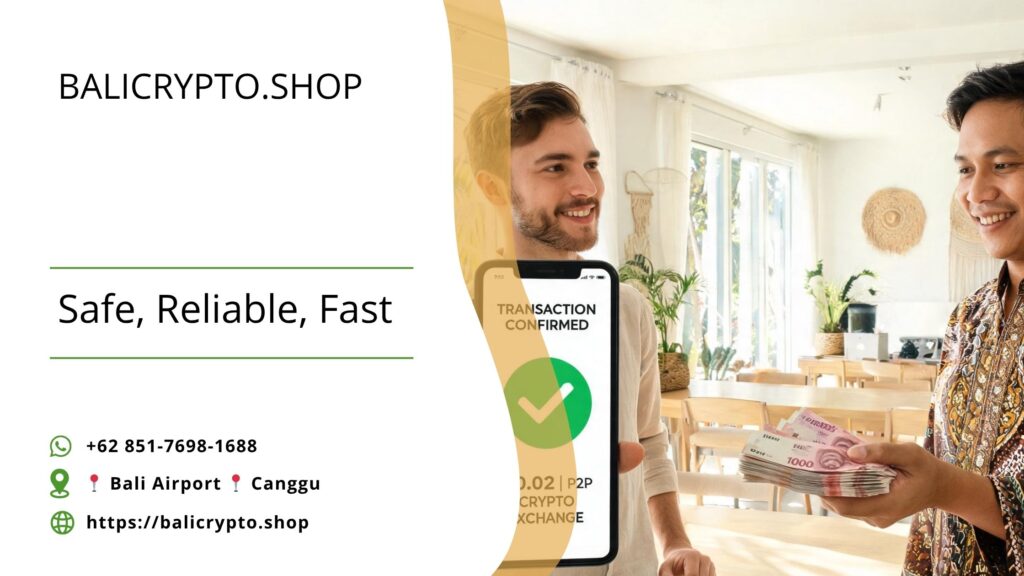
Security is the most critical factor for any traveler managing digital wealth. For those searching for a Crypto to IDR in Bali Without Bank Account Guide, the safest route is utilizing established Over-the-Counter (OTC) desks and commodity trading services. These services allow you to bypass the need for a local bank account by providing physical cash or digital e-wallet top-ups in exchange for your crypto transfers. This is particularly useful for tourists who only have a few weeks on the island and cannot wait for the lengthy bank approval processes.
Furthermore, you should always avoid unregulated social media groups or “street trades” arranged on messaging apps with strangers. These carry a high risk of theft or fraudulent currency. Instead, choose a professional service located in reputable areas like South Kuta or Seminyak. A professional desk will provide you with a transparent exchange rate and a secure environment for your transaction. Following this Crypto to IDR in Bali Without Bank Account Guide means prioritizing your physical and digital safety above all else, ensuring that your vacation isn’t ruined by avoidable financial risks.
Utilizing E-Wallets and QRIS for Daily Payments
Once you have converted your crypto into Rupiah, the most efficient way to spend it in Bali is through the QRIS (Quick Response Code Indonesian Standard) system. You will see these square QR codes everywhere, from high-end beach clubs to local warungs. While this Crypto to IDR in Bali Without Bank Account Guide focuses on getting you the cash you need, digital e-wallets like GoPay, OVO, and Dana are the lifeblood of the island’s modern economy.
Many travelers use their exchanged funds to top up these e-wallets. Since these apps do not always require a local bank account to function for basic payments, they are perfect for digital nomads. You can use them to pay for your Gojek rides, order food, or pay for laundry services. By integrating your cash withdrawal with a digital wallet, you gain the ultimate flexibility. You have physical cash for traditional markets and digital balances for the high-tech services that make living in Bali so convenient for the international community.
Navigating Bali: Transportation and Practical Tips
When you decide to visit a service provider to follow through with this Crypto to IDR in Bali Without Bank Account Guide, consider the logistics of the island. Bali is famous for its narrow roads and heavy traffic, especially in the southern tourist corridors. Using a ride-hailing app like Gojek or Grab is often more efficient than trying to drive a car through the congested streets of Denpasar or Kuta. A motorbike taxi (ojek) can weave through traffic, saving you hours of transit time.
Additionally, always be mindful of the local culture and weather. Bali is a deeply spiritual island, and you may encounter temple ceremonies that temporarily close major roads. Always plan your financial errands for the morning to avoid the heat and the peak afternoon traffic. When carrying your newly exchanged Rupiah, ensure it is stored in a secure, discreet bag. Following a Crypto to IDR in Bali Without Bank Account Guide effectively means being prepared for the physical environment of Bali just as much as the digital one.
Why USDT is the Gold Standard for Bali Travelers
In any Crypto to IDR in Bali Without Bank Account Guide, you will find that USDT (Tether) is the preferred asset for most transactions. Because the Indonesian Rupiah can be volatile against the US Dollar, holding your travel funds in a stablecoin protects your purchasing power. If you were to hold your budget in Bitcoin, a sudden market dip could significantly reduce your ability to pay for your planned activities or accommodation.
Most professional exchange desks in Bali prioritize USDT transactions because they are fast and have predictable values. This allows for tighter spreads and better rates for the traveler. When you use this Crypto to IDR in Bali Without Bank Account Guide to manage your funds, consider keeping the majority of your savings in USDT and only withdrawing what you need for the upcoming week. This strategy minimizes your exposure to both crypto market volatility and the risks associated with carrying large amounts of physical cash around the island.
Conclusion
Navigating the financial requirements of Indonesia doesn’t have to be a burden on your travel experience. While the lack of a local bank account can seem like a major obstacle, the established commodity trading market in Bali provides a reliable and legal bridge to the local economy. By following this Crypto to IDR in Bali Without Bank Account Guide, you can ensure that your digital assets are converted into spendable Rupiah safely, efficiently, and privately.
From the vibrant nightlife of Canggu to the serene rice terraces of Ubud, having access to local currency is your ticket to exploring everything this beautiful island has to offer. Stay safe, choose reputable service providers, and enjoy your time in the Island of the Gods with the peace of mind that your finances are well-managed.
📲 WhatsApp us to +6285176981688
📍 Bali Airport 📍 Canggu
USDT is processed as a commodity sale in Indonesia, not as a direct payment method.
Disclaimer:
We are not a crypto exchange. We operate as an aggregator, connecting customers with 4+ licensed exchange partners to compare available rates.
Any rate shown is for reference only and may vary based on market conditions, liquidity, and the selected exchange.
In accordance with the Stablecoins Ordinance, we do not provide quotes. For current market information, please refer to authoritative sources or consult a financial advisor.