

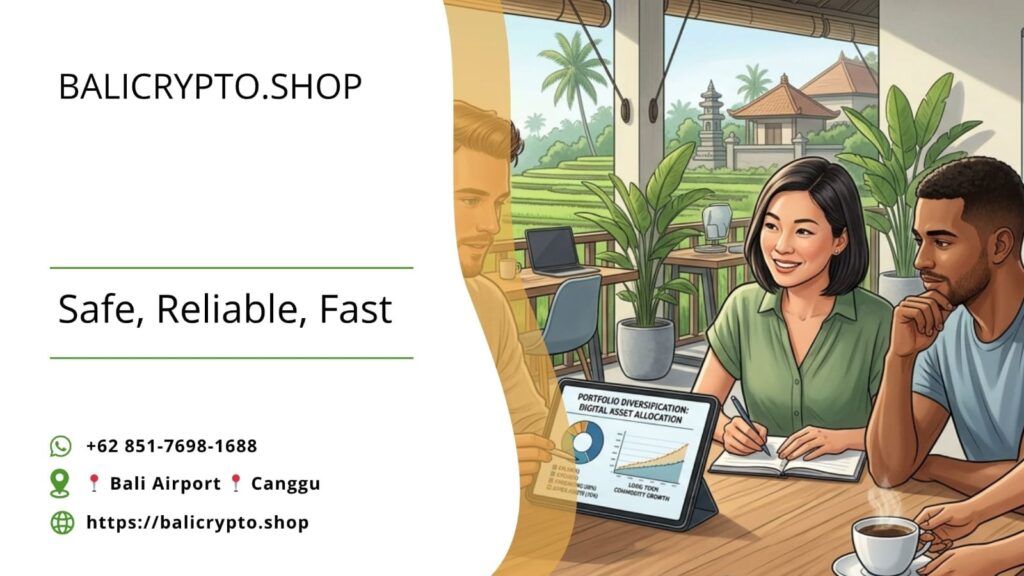
This Bali Digital Nomad Guide to Crypto Investing is designed for the modern professional who wants to balance a high-growth financial portfolio with the serene lifestyle of the Island of the Gods. Bali has long been a sanctuary for remote workers, but the recent surge in blockchain adoption has turned the island into a global hub for decentralized finance. Whether you are working from a bamboo villa in Ubud or a beachside cafe in Canggu, understanding how to manage your digital assets within the local Indonesian context is vital. This guide provides a comprehensive overview of the technical, legal, and lifestyle factors you must consider to thrive as a crypto-investing nomad in 2026.
The Evolution of the Crypto Nomad Scene in Bali
The first step in any Bali Digital Nomad Guide to Crypto Investing is recognizing why this island attracts so many blockchain enthusiasts. Over the past few years, Bali has transitioned from a surfing destination into a sophisticated tech hub. The infrastructure has improved immensely, with high-speed fiber-optic internet now reaching even the more remote parts of the island. Consequently, traders and developers can maintain a constant connection to global markets without the fear of downtime.
Furthermore, the community aspect in Bali is unparalleled. You are never far from a networking event or a casual meetup where the latest Layer-2 solutions or NFT trends are the main topic of conversation. This density of talent makes it easy to stay informed. However, while the social scene is welcoming, the administrative side of living here requires a proactive approach to ensure you remain compliant with both international and local standards.
Navigating Indonesian Regulations and Legal Tender
A crucial part of our Bali Digital Nomad Guide to Crypto Investing involves understanding that Indonesia has a very specific stance on digital assets. The Indonesian government, through the Commodity Futures Trading Regulatory Agency (Bappebti), classifies cryptocurrencies as commodities. This means they are legal to trade and hold as investments. However, the Indonesian Rupiah (IDR) remains the only legal tender for all domestic transactions.
Therefore, you cannot walk into a local supermarket or a luxury spa and expect to pay directly with a Bitcoin wallet. To live comfortably, you must develop a strategy for liquidating your assets into Rupiah. Most nomads use licensed local exchanges or reputable peer-to-peer (P2P) platforms to bridge this gap. By converting your stablecoins like USDT into IDR and transferring them to a local bank account or e-wallet, you can easily pay for your villa, transportation, and daily meals while keeping your primary wealth in the crypto ecosystem.
Essential Security Protocols for Remote Investors
Security is a recurring theme in this Bali Digital Nomad Guide to Crypto Investing because the stakes are incredibly high when you are your own bank. While Bali is generally safe, your digital footprint is always a potential target. Many public cafes and co-working spaces offer free Wi-Fi, but these networks can be vulnerable to man-in-the-middle attacks.
To protect your portfolio, you should adhere to these strict security measures:
- Always use a high-quality Virtual Private Network (VPN) when accessing any financial platform.
- Utilize hardware wallets for your long-term holdings and keep them in a secure, fireproof safe.
- Enable app-based multi-factor authentication (MFA) on all your exchange accounts.
- Avoid discussing specific wallet balances or private keys in public networking groups or casual social settings.
By treating your digital security with the same level of care as your physical safety, you ensure that your time in Bali remains a profitable and stress-free experience.
Optimizing Your Lifestyle and Market Hours
Following a Bali Digital Nomad Guide to Crypto Investing also means learning how to manage your time effectively. Bali operates in the WITA time zone (GMT+8), which is surprisingly advantageous for crypto traders. You are positioned perfectly to catch the Asian market open in the morning, the European open in the afternoon, and the US volatility in the late evening.
This schedule allows for a unique work-life balance. Many nomads spend their mornings surfing or practicing yoga, then focus on deep work and market analysis as the European markets wake up. This rhythm helps prevent the burnout often associated with 24/7 crypto markets. Additionally, many cafes in Canggu and Berawa are designed with “work-from-anywhere” professionals in mind, offering ergonomic seating and plenty of power outlets to keep your hardware running through a long trading session.
Cultural Etiquette and Local Economic Impact
The final pillar of this Bali Digital Nomad Guide to Crypto Investing is the importance of cultural respect. As a high-net-worth traveler or digital nomad, your presence has a significant impact on the local economy. The Balinese people value community and harmony, often referred to as “Tri Hita Karana.” While you are focused on the future of finance, remember to support the local businesses that make Bali such a special place.
When you use your crypto-funded IDR to pay local vendors, do so with a spirit of gratitude. Tipping your drivers and housekeepers is a wonderful way to give back to the community that hosts you. Furthermore, being mindful of local ceremonies and temple days shows that you are not just there to take, but to participate in the island’s vibrant culture. This mutual respect is what allows the digital nomad community to continue thriving in Indonesia.
Integrating with the Bali Crypto Community
To truly master the tips in this Bali Digital Nomad Guide to Crypto Investing, you should seek out the local community hubs. Places like Canggu and Ubud have become “honey pots” for blockchain developers and venture capitalists. By attending meetups and joining local Telegram or Discord groups, you gain access to real-time information that you won’t find on Twitter.
These connections often lead to collaborative projects or early access to investment opportunities. Whether you are looking for a secure co-working space with a dedicated server room or a private villa with the best backup power, the local community is your best resource. Sharing knowledge is a core tenet of the crypto world, and in Bali, that sharing often happens over a fresh coconut or a sunset drink by the beach.
Managing Hardware and Technical Logistics
A practical Bali Digital Nomad Guide to Crypto Investing must address the technical realities of living in the tropics. High humidity and salt air can be brutal on electronics. If you are using high-end laptops or mining rigs, ensure they are kept in climate-controlled environments to prevent corrosion and overheating.
Additionally, always have a secondary internet solution, such as a local SIM card with a large data plan or a portable satellite link. While the main lines are stable, tropical storms can occasionally cause brief outages. Being prepared ensures that you are never locked out of a trade during a crucial market move. Planning these logistics in advance allows you to focus entirely on your investment strategy.
Conclusion
This Bali Digital Nomad Guide to Crypto Investing highlights that success in the digital age requires a blend of technical savvy and cultural awareness. Bali offers an incredible opportunity to live a high-quality life while participating in the global financial revolution. By respecting local laws, prioritizing your digital security, and engaging meaningfully with the Balinese community, you can turn your nomadic journey into a long-term success. The island is ready to welcome you; just make sure your wallet is secure and your internet is fast.
📲 WhatsApp us to +6285176981688
📍 Bali Airport 📍 Canggu
If you are currently in Bali or planning your arrival and need assistance with managing your local liquidity or finding the most tech-friendly locations, our team is available to help. We provide reliable support for expats and nomads to ensure your financial transition is as smooth as possible.
USDT is processed as a commodity sale in Indonesia, not as a direct payment method.
Disclaimer:
We are not a crypto exchange. We operate as an aggregator, connecting customers with 4+ licensed exchange partners to compare available rates.
Any rate shown is for reference only and may vary based on market conditions, liquidity, and the selected exchange.
In accordance with the Stablecoins Ordinance, we do not provide quotes. For current market information, please refer to authoritative sources or consult a financial advisor.