


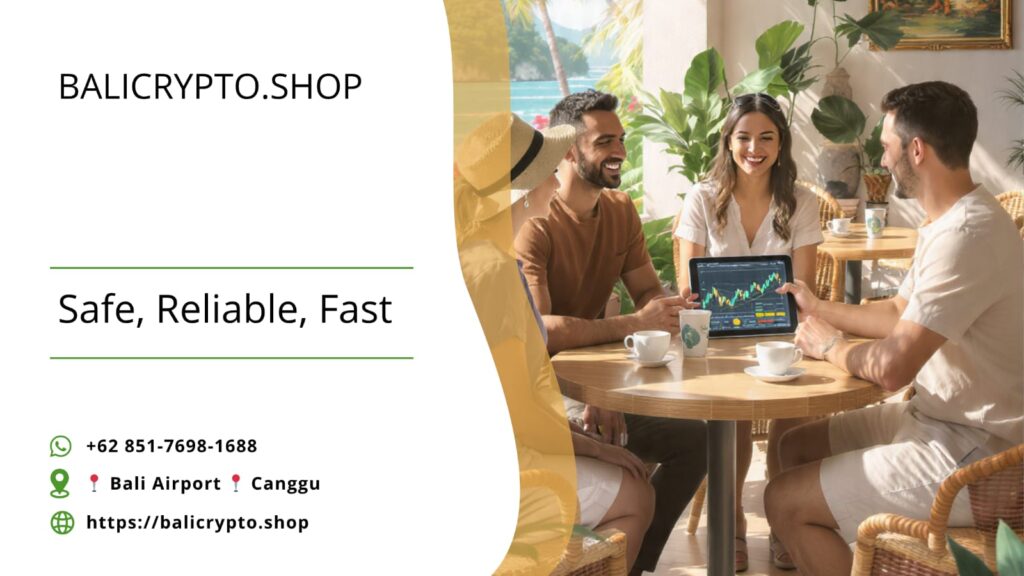
Analyzing the distinct Crypto Payment Trends in Bali Restaurants and Cafes provides essential clarity for international digital nomads, expats, and travelers looking to navigate the local food and beverage scene securely. Bali has long been a sanctuary for Web3 developers and decentralized finance investors who thrive in the island’s upscale coworking spaces and coastal lifestyle hubs. However, the intersection of cutting-edge blockchain technology and domestic sovereign banking laws has created a unique operational environment across the Indonesian archipelago. Because navigating a foreign financial landscape can feel overwhelming, understanding how the local expat community manages their daily dining expenses is vital for your peace of mind. This comprehensive guide breaks down the legal realities, digital asset transitions, personal cybersecurity habits, and regional transport tips that every foreign tourist must know before sitting down at an island bistro.
The Shift From Direct Token Transfers to Compliant Liquid Solutions
The evolution of the local hospitality sector reflects a highly structured approach to modern digital wealth. Historically, early blockchain adoption sparked decentralized experimentation among boutique business owners along the southwestern coastline. However, current Crypto Payment Trends in Bali Restaurants and Cafes demonstrate a complete transition away from direct peer-to-peer wallet transfers at commercial points of sale. This shift occurred because state authorities explicitly mandate that all physical business operations must settle their transactions using the official domestic tender.
Consequently, upscale dining venues in culinary hotspots like Seminyak, Canggu, and Ubud have adapted to support tech-savvy travelers through alternative infrastructure. Instead of accepting volatile tokens over the counter, the ecosystem relies on rapid pre-settlement asset liquidation. This setup allows international remote workers to enjoy world-class dining while maintaining perfect alignment with domestic fiscal systems. This modern harmony ensures that the local culinary industry remains incredibly vibrant and accessible to global tech entrepreneurs.
Legal Sovereign Protections and National Currency Requirements
A fundamental pillar of understanding Crypto Payment Trends in Bali Restaurants and Cafes involves mastering the precise regulatory frameworks established by Bank Indonesia. The national government maintains a highly progressive and transparent stance toward the broader digital asset market. Under current statutory provisions, digital currencies and global stablecoins are legally recognized as commodities rather than standard currencies, allowing foreign tourists to legally hold, trade, and scale their investment portfolios while staying in the country.
Nevertheless, the nation enforces an absolute legal requirement regarding the execution of daily commercial transactions. According to Law Number 7 of 2011 on Currency, the Indonesian Rupiah (IDR) is the only legally permitted instrument for purchasing physical goods, paying for restaurant meals, or settling cafe bills within the territory. This means that transferring stablecoins directly to a waiter or scanning a private cryptocurrency barcode to buy a coffee is strictly prohibited by law. To enjoy the culinary scene smoothly while analyzing Crypto Payment Trends in Bali Restaurants and Cafes, smart travelers always convert their digital assets into physical Rupiah deposits or cash before ordering their food.
Strategic Asset Conversion for Foreign Dining and Hospitality
To navigate the evolving Crypto Payment Trends in Bali Restaurants and Cafes without experiencing unnecessary financial friction, international visitors must establish an efficient asset liquidation routine. The most successful expats utilize licensed domestic over-the-counter hubs or verified financial applications to bridge the gap between their Web3 wallets and the local fiat economy. This approach eliminates the heavy transactional fees often associated with international credit card processors and traditional bank wiring networks.
By proactively scheduling your stablecoin conversions, you can easily load your converted funds directly onto regional digital payment applications like Gojek or Grab. These highly convenient mobile platforms are universally accepted across almost all premium dining establishments and local cafes on the island. This strategy ensures that you can always settle your lunch bill instantly via a standard QRIS code, which is the national unified quick-response system, while keeping your core investment assets securely positioned in your global digital portfolio.
Public Cyber Defense Protocols for Active Remote Workspace Users
Maintaining elite digital defense measures must remain your highest personal priority when accessing financial networks from popular island workspaces. The prominent Crypto Payment Trends in Bali Restaurants and Cafes show that hundreds of traders frequently monitor international market indicators while drinking artisanal coffee in open-air venues. While these trendy cafes offer exceptional high-speed fiber-optic internet connections, their shared public Wi-Fi access points can occasionally expose your financial data to external vulnerabilities. Malicious actors sometimes use shared networks to intercept unencrypted data packets or monitor active login attempts from unsecured mobile devices.
To guarantee the absolute safety of your capital, you must implement strict cybersecurity rules before checking your digital wallets in public. Professional digital nomads never log into primary storage accounts without deploying a premium Virtual Private Network (VPN) featuring robust end-to-end encryption. Additionally, the safest practice is to keep your primary capital stored safely inside hardware cold storage wallets locked inside your villa security box. You should only maintain a minimal, active operating balance on your mobile hot wallets to handle your immediate dining expenses and daily local fiat conversions.
Scooter Safety and Cultural Etiquette Around Coastal Dining Hubs
Exploring the exceptional dining venues scattered along the Bukit Peninsula and the coastal strips requires a practical strategy for local transportation and deep respect for indigenous Balinese traditions. The narrow roads leading to popular beachfront cafes can become incredibly congested, especially during the peak sunset hours. Renting an automatic scooter offers unmatched convenience for moving between different workspace lounges, but foreign tourists must prioritize physical safety by always wearing a high-quality helmet and holding a valid international driving permit.
For individuals who prefer a highly comfortable and air-conditioned commute, booking a vehicle through local ride-hailing apps is an excellent alternative. These applications provide transparent, fixed pricing structures that completely remove the stress of manual fare negotiation. Furthermore, always show exceptional mindfulness regarding the sacred spiritual customs that define the island’s unique atmosphere. Every morning, local restaurant workers and boutique owners place small, hand-woven palm-leaf offerings called Canang Sari on pavements and entryways. Avoiding stepping on or disturbing these delicate items is an important sign of cultural appreciation. By pairing strict cybersecurity awareness with polite local manners, you will ensure your professional and culinary journey across the island remains entirely seamless, secure, and deeply rewarding.
Conclusion
Observing the current Crypto Payment Trends in Bali Restaurants and Cafes emphasizes a brilliant lifestyle opportunity where cutting-edge global finance satisfies every premium culinary craving. While sovereign national banking guidelines strictly dictate that you must convert your digital assets into physical Rupiah for all direct restaurant transactions, the modern local digital infrastructure makes this transition exceptionally safe and swift. By working from trusted laptop-friendly cafes, maintaining elite personal cybersecurity protocols, navigating local transport apps wisely, and showing sincere respect for the rich Balinese heritage, you can easily ensure your professional lifestyle and dining adventures flourish under the tropical sun.
📲 WhatsApp us to +6285176981688
📍 Bali Airport 📍 Canggu
USDT is processed as a commodity sale in Indonesia, not as a direct payment method.
Disclaimer:
We are not a crypto exchange. We operate as an aggregator, connecting customers with 4+ licensed exchange partners to compare available rates.
Any rate shown is for reference only and may vary based on market conditions, liquidity, and the selected exchange.
In accordance with the Stablecoins Ordinance, we do not provide quotes. For current market information, please refer to authoritative sources or consult a financial advisor.