


- Introduction
- Securing Affordable Long-Term Housing Outside the Main Hotspots
- Embracing Local Culinary Traditions over Western Cafes
- Utilizing Smart Ride-Hailing Apps for Safer Island Transit
- Budgeting for Mandatory Visas and Comprehensive Emergency Coverage
- Maximizing Capital Efficiency and Digital Asset Liquidity
- Conclusion
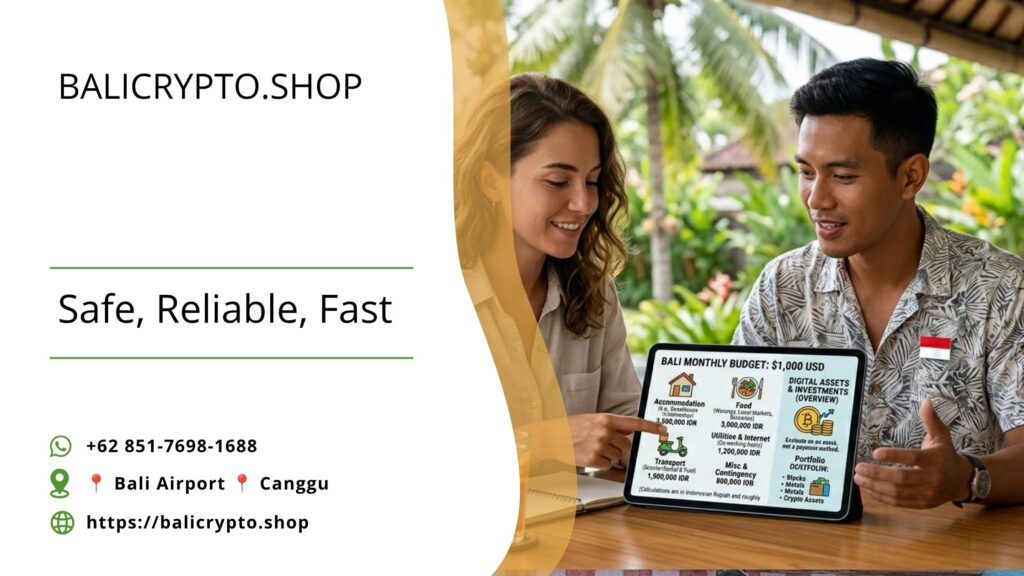
Can You Live Around Bali on $1,000 a Month? This is the ultimate question dominating the minds of global travelers, budget-conscious digital nomads, and adventurous expats who are planning a long-term escape to this tropical Indonesian province. The beautiful island has spent over a decade serving as an international epicenter for remote work, attracting thousands with its promises of pristine volcanic beaches, deep spiritual heritage, and accessible coastal luxury. However, a major influx of foreign residents and ongoing lifestyle inflation across trendy neighborhoods have dramatically altered the regional cost of living. Consequently, staying in paradise on a strict four-figure monthly budget requires a strategic pivot away from typical tourist traps and heavily marketed luxury trends. By implementing smart personal habits, mastering local geography, and leveraging efficient modern financial infrastructure, achieving a highly comfortable and sustainable lifestyle on this budget is entirely achievable.
Securing Affordable Long-Term Housing Outside the Main Hotspots
Your monthly accommodation choice serves as the absolute baseline of your living expenditures, and it can easily make or break your budget. If you insist on renting a private, standalone pool villa in the heart of popular lifestyle hubs like Canggu, Seminyak, or Uluwatu, you will find that prices often rival mid-sized Western cities. Relying solely on short-term international vacation platforms will instantly drain your financial resources, as these portals cater exclusively to seasonal tourists willing to pay premium nightly rates.
Therefore, answering the core challenge of Can You Live Around Bali on $1,000 a Month? requires moving your search just fifteen minutes away from the main tourist beaches. Choosing to reside in peaceful, emerging neighborhoods such as Sanur, the quiet outskirts of Ubud, or traditional villages like Kerobokan allows you to discover modern studio apartments or shared guesthouses, locally known as “kos,” for a fraction of the price. Negotiating a multi-month lease directly with Indonesian landlords rather than paying week-by-week provides you with absolute stability. This geometric adjustment ensures you secure high-speed internet, refreshing air conditioning, and excellent comfort while successfully protecting your wallet from unnecessary inflation.
Embracing Local Culinary Traditions over Western Cafes
The culinary scene on the island is world-famous, offering an endless collection of stunning aesthetic cafes, fine-dining restaurants, and artisanal health food establishments. However, if your daily routine revolves around drinking premium lattes and enjoying imported Western meals for breakfast, lunch, and dinner, your food budget will rapidly equal that of any major global capital city. These targeted commercial venues must include substantial government and service taxes on your final bill, which quietly chips away at your daily allowance.
Conversely, proving that Can You Live Around Bali on $1,000 a Month? is viable means shifting your focus toward traditional Indonesian food culture. Local family-run diners, beautifully known across the archipelago as “warungs,” serve delicious, highly nutritious plates of “nasi campur” for just a couple of dollars. Furthermore, sourcing your fresh tropical fruits, organic vegetables, and essential snacks from vibrant morning markets instead of high-end international supermarkets will immediately cut your grocery bills in half. Finding an intelligent balance between authentic local flavors and occasional Western culinary treats allows you to enjoy an incredible diet while keeping your cash flow perfectly optimized.
📲 WhatsApp us to +6285176981688 📍 Bali Airport 📍 Canggu
Utilizing Smart Ride-Hailing Apps for Safer Island Transit
Navigating the bustling local roads safely and efficiently is a vital necessity for maintaining your remote work productivity and general well-being. While renting a personal scooter provides unmatched freedom and allows you to glide through heavy afternoon traffic jams, it represents a substantial financial liability for inexperienced riders. Operating a vehicle without a valid international driving permit, riding without a helmet, or encountering minor road mishaps can lead to massive legal fines or expensive medical bills.
Fortunately, you can easily implement practical answers on Can You Live Around Bali on $1,000 a Month? by leveraging the country’s highly advanced smartphone infrastructure. Utilizing trusted, ultra-secure digital applications like Gojek and Grab allows you to hail instant scooter or car rides for incredibly cheap, fixed prices. By relying completely on these on-demand transport networks, you instantly eliminate the hidden worries of monthly vehicle rental contracts, unexpected engine maintenance, fuel price shifts, and local parking fees. This modern approach keeps your daily transport costs perfectly predictable while maximizing your personal safety on the road.
Budgeting for Mandatory Visas and Comprehensive Emergency Coverage
Remaining fully legal and physically protected during your stay in Indonesia is a critical operational factor that beginners frequently overlook when calculating their initial runway. The immigration system offers specific options for remote workers, such as the official E33G Remote Worker Visa, which requires strict foreign income verifications. Attempting to cycle through repetitive, short-term tourist visa runs without proper planning will quickly trigger unexpected travel costs, administrative fees, and unnecessary border stress.
Therefore, demonstrating that Can You Live Around Bali on $1,000 a Month? is truly sustainable means incorporating long-term visa costs and robust health insurance into your baseline calculations. It is a well-known reality among seasoned expats that relying on basic, short-term travel insurance is highly dangerous, as private international clinics on the island charge premium rates for complex treatments. Investing in a dedicated international health policy removes the catastrophic risk of a sudden medical emergency wiping out your entire savings. This diligent financial framework allows you to explore the breathtaking natural beauty of Southeast Asia with total confidence and complete peace of mind.
Maximizing Capital Efficiency and Digital Asset Liquidity
Maintaining constant, immediate access to your global wealth is a fundamental requirement for executing daily transactions in the local economy. Because traditional international bank wires are notoriously slow, require excessive documentation, and impose heavy currency conversion cuts, smart remote workers completely avoid legacy networks. Moreover, making frequent withdrawals from unverified street ATMs can expose your primary credit cards to skimming devices, resulting in frozen accounts and major financial disruptions.
In the final analysis, mastering the strategic question of Can You Live Around Bali on $1,000 a Month? relies heavily on utilizing efficient capital off-ramps on the ground. A large community of progressive digital nomads choose to hold a percentage of their liquid funds in stable digital assets to completely bypass international banking friction. By utilizing licensed, physical over-the-counter conversion hubs located in major commercial zones, you can seamlessly swap your digital capital into physical Indonesian Rupiah. This professional financial habit ensures that you always enjoy excellent competitive conversion rates while protecting your international purchasing power from predatory bank fees.
Conclusion
Building a successful, highly rewarding life in Southeast Asia remains an entirely realistic goal for international citizens who combine their love for adventure with true economic discipline. By strategically selecting your neighborhood, embracing the rich local food culture, prioritizing safe ride-hailing networks, and managing your liquidity through secure physical channels, you can easily preserve your wealth. Understanding exactly how Can You Live Around Bali on $1,000 a Month? enables you to construct a protective shield against lifestyle creep and global inflation. Implementing these modern, disciplined financial frameworks ensures that your tropical island journey stays thoroughly enjoyable, highly productive, and completely sustainable for many wonderful years to come.
📲 WhatsApp us to +6285176981688 📍 Bali Airport 📍 Canggu
Related Posts : Is Living Around Bali Still Affordable in 2026?
Disclaimer:
We are not a crypto exchange. We operate as an aggregator, connecting customers with 4+ licensed exchange partners to compare available rates.
Any rate shown is for reference only and may vary based on market conditions, liquidity, and the selected exchange.
In accordance with the Stablecoins Ordinance, we do not provide quotes. For current market information, please refer to authoritative sources or consult a financial advisor.