


- Introduction
- The Critical Role of Physical Cash and Indonesian Rupiah
- Navigating International Credit Cards and Hidden Bank Fees
- Embracing the Digital Era with QRIS and Local Payment Apps
- Managing On-Island Safety, Card Skimming, and Transport Expenses
- Optimizing Capital Efficiency and Over-the-Counter Conversions
- Conclusion
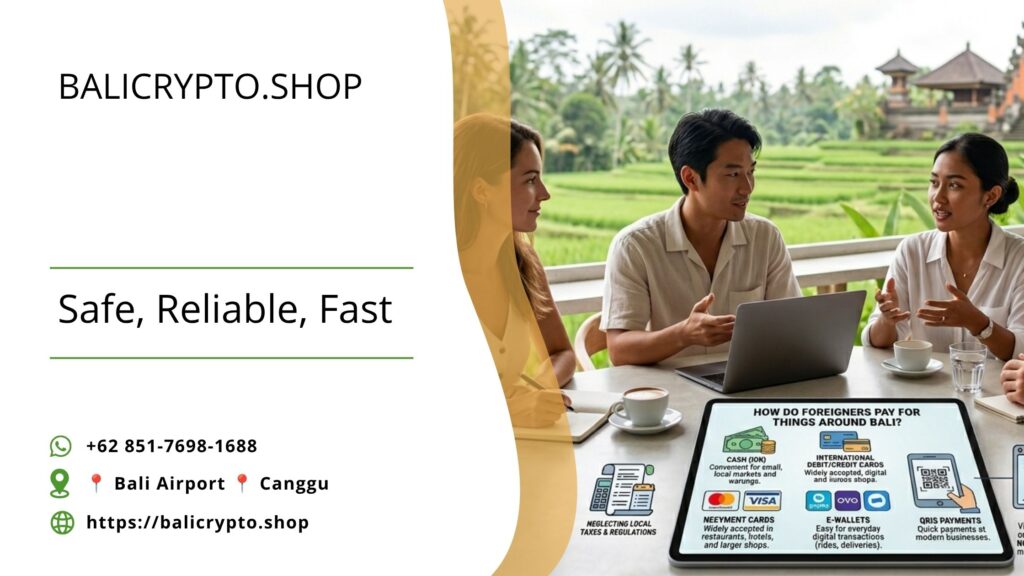
How Do Foreigners Pay for Things Around Bali? This essential question occupies the minds of global travelers, digital nomads, and professional expatriates who are planning an extended stay in this beautiful Indonesian province. While the island is world-famous for its incredible volcanic ridges, deep spiritual traditions, and world-class surfing coastlines, navigating its unique financial landscape requires careful preparation. Many remote workers arrive assuming they can rely solely on their home-country credit cards or digital smartphone wallets for every single daily transaction. However, the regional economy across coastal hotspots and rural villages operates on a blend of traditional cash systems, modern QR codes, and strict legal frameworks. Failing to understand these mechanisms can lead to immense frustration, frozen bank accounts, and unexpected transaction blocks during your stay. Therefore, understanding the practical methods of handling your capital is completely essential to keeping your tropical journey sustainable, safe, and stress-free over time.
The Critical Role of Physical Cash and Indonesian Rupiah
Despite the rapid global shift toward cashless societies, physical paper money remains an absolute requirement for daily survival outside the major commercial centers. When you venture away from the primary tourist strips to buy fresh tropical fruits at a traditional morning market, purchase a souvenir from a local artisan, or eat at a family-run diner, you will find that digital payment terminals are completely non-existent. The Indonesian Rupiah is the sole legal tender across the archipelago, and local operators heavily prefer immediate cash settlements for small transactions.
Consequently, analyzing How Do Foreigners Pay for Things Around Bali? highlights the immediate necessity of keeping a reliable supply of physical banknotes in your pocket. Carrying smaller denominations, such as twenty-thousand and fifty-thousand Rupiah notes, is highly recommended because small independent vendors rarely have change for larger bills. While relying on street automated teller machines might seem like an easy solution, many travelers face high withdrawal fees or unexpected machine malfunctions in remote areas. Securing a steady, safe supply of physical cash ensures you can enjoy authentic local experiences without facing awkward payment delays.
Navigating International Credit Cards and Hidden Bank Fees
When you patronize premium establishments, such as high-end beach clubs in Canggu, luxury wellness resorts in Ubud, or fine-dining restaurants in Seminyak, international credit cards are widely accepted. Major payment networks like Visa and Mastercard function seamlessly in these modern venues, providing a highly convenient way to settle expensive bills. However, relying blindly on your primary home-country cards for large transactions can quietly introduce substantial hidden overhead costs to your monthly budget.
Therefore, a major factor regarding How Do Foreigners Pay for Things Around Bali? involves understanding the structural fees attached to international card processing. Every time you swipe your card abroad, your home bank may impose foreign transaction fees alongside unfavorable currency conversion spreads. Furthermore, many local business operators add an extra operational surcharge, typically between two and three percent, to cover the cost of maintaining their merchant terminals. To minimize these unnecessary capital leaks, smart expatriates recommend utilizing dedicated multi-currency travel cards that offer transparent, low-cost institutional exchange rates.
Embracing the Digital Era with QRIS and Local Payment Apps
The digital financial ecosystem in Indonesia has experienced a massive revolution through the widespread implementation of the Quick Response Code Indonesian Standard, universally known as QRIS. This unified national barcode system allows merchants of all sizes, from high-end boutiques to humble roadside stalls, to accept instant digital payments. You will see these distinct square codes displayed prominently at almost every point of sale across the island, serving as a primary modern transaction method.
Accordingly, exploring modern strategies on How Do Foreigners Pay for Things Around Bali? requires looking closely at how international visitors can access this incredibly convenient digital network. While the system was originally designed for local bank accounts, several prominent Indonesian digital wallet applications now allow foreign tourists to register using their international mobile numbers. By loading funds onto these local digital platforms, you can instantly scan any QRIS code with your smartphone camera to settle your bill. This practical integration completely removes the hassle of carrying heavy coins or waiting for paper change, allowing you to move through the island with the agility of a local resident.
📲 WhatsApp us to +6285176981688 📍 Bali Airport 📍 Canggu
Managing On-Island Safety, Card Skimming, and Transport Expenses
Navigating the bustling, winding local streets safely and efficiently is a fundamental requirement for maintaining your remote work productivity and general peace of mind. While renting a personal scooter provides unmatched freedom, handling daily fuel and parking payments requires constant physical cash interaction. Moreover, making frequent cash withdrawals from unverified standalone ATMs on the street exposes your primary credit cards to sophisticated electronic skimming devices, which can result in sudden card blocks and highly stressful financial emergencies.
Fortunately, you can easily minimize your physical exposure and simplify How Do Foreigners Pay for Things Around Bali? by leveraging advanced smartphone ride-hailing infrastructure. Utilizing trusted, ultra-secure digital applications like Gojek and Grab allows you to link your international credit card directly to your personal user profile. By utilizing these professional on-demand transport networks, your scooter or car taxi fares are automatically deducted digitally for fixed, transparent prices. This seamless approach completely eliminates the need to handle cash on the road, protects your main banking details from skimming vulnerabilities, and keeps your daily transit expenses perfectly predictable.
Optimizing Capital Efficiency and Over-the-Counter Conversions
Maintaining constant, frictionless access to your global wealth is an absolute necessity when managing an international career across Southeast Asia. Because traditional international bank wires are notoriously slow, require extensive paperwork, and impose heavy administrative cuts, smart digital nomads actively avoid legacy banking networks. For an independent wealth creator, finding an alternative method to move capital smoothly into the local economy is paramount to securing your ongoing lifestyle liquidity.
In the final analysis, mastering the strategic question of How Do Foreigners Pay for Things Around Bali? relies heavily on utilizing professional, highly secure physical asset liquidation channels on the ground. A large contingent of progressive digital nomads choose to hold a percentage of their liquid funds in stable digital assets to completely bypass international banking friction. By visiting licensed, physical over-the-counter conversion hubs located in major commercial zones, you can seamlessly swap your digital wealth into physical Indonesian Rupiah. This professional financial habit guarantees that you always enjoy excellent competitive conversion rates while ensuring you have immediate cash ready for your daily requirements, providing you with absolute peace of mind.
Conclusion
Building a successful, highly rewarding life in Southeast Asia remains an entirely realistic goal for international citizens who combine their love for adventure with true economic discipline. By strategically selecting your neighborhood, embracing the rich local food culture, prioritizing safe ride-hailing networks, and managing your liquidity through secure physical channels, you can easily preserve your wealth. Understanding exactly How Do Foreigners Pay for Things Around Bali? enables you to construct a protective shield against lifestyle creep, predatory fees, and cyber threats. Implementing these modern, disciplined financial frameworks ensures that your tropical island journey stays thoroughly enjoyable, highly productive, and completely sustainable for many wonderful years to come.
📲 WhatsApp us to +6285176981688 📍 Bali Airport 📍 Canggu
Related Posts : Crypto Portfolio Mistakes Beginners Around Bali Often Make
Disclaimer:
We are not a crypto exchange. We operate as an aggregator, connecting customers with 4+ licensed exchange partners to compare available rates.
Any rate shown is for reference only and may vary based on market conditions, liquidity, and the selected exchange.
In accordance with the Stablecoins Ordinance, we do not provide quotes. For current market information, please refer to authoritative sources or consult a financial advisor.