

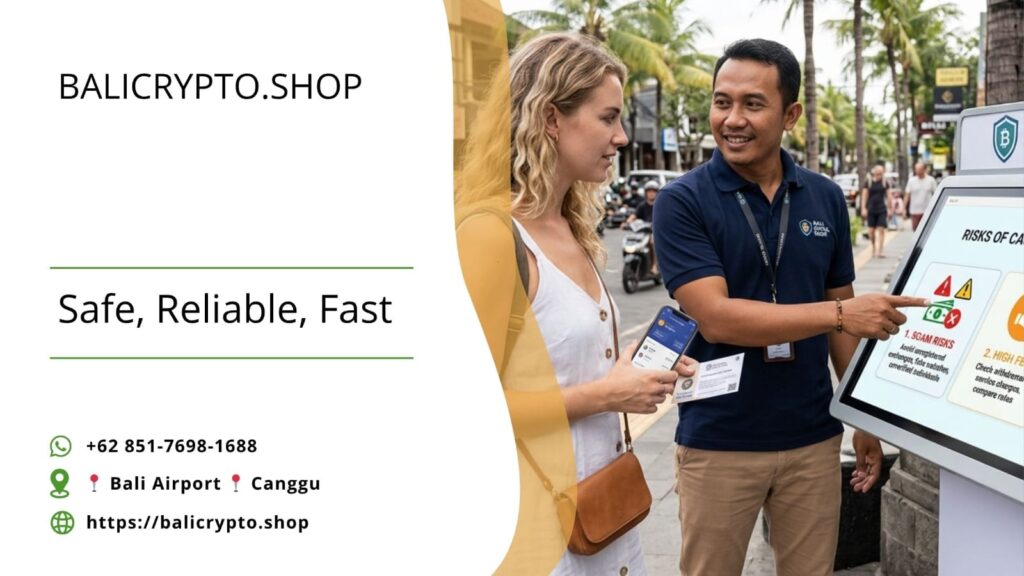
The Risks of Cashing Out Crypto Around Bali Tourist Areas are a critical consideration for any traveler or digital nomad looking to fund their tropical lifestyle using digital assets like USDT or Bitcoin. Bali has established itself as a global haven for the crypto-community, with enthusiasts filling the cafes of Canggu and the yoga studios of Ubud. However, this high concentration of digital wealth also attracts sophisticated scammers and unregulated operators who target unsuspecting foreigners. While the island is generally safe and welcoming, the intersection of decentralized finance and a cash-heavy local economy creates unique vulnerabilities. To ensure your holiday remains stress-free and your funds remain secure, you must understand the potential pitfalls of liquidating crypto in a foreign jurisdiction. This guide explores the legal, digital, and physical dangers you might face and how to navigate them with professionalism and care.
The Danger of Unregulated Peer-to-Peer Transactions
One of the most significant Risks of Cashing Out Crypto Around Bali Tourist Areas involves the temptation of “street-side” or unregulated peer-to-peer (P2P) trades. In popular hubs like Seminyak or Kuta, you may find individuals on social media or in local groups offering to swap crypto for Indonesian Rupiah (IDR) at rates that beat the market. While these offers seem attractive, they lack the oversight of a professional business. Engaging with a stranger in a public cafe or a private villa to exchange thousands of dollars is a recipe for disaster.
Scammers in these scenarios often use “proof of payment” fraud, showing you a fake banking app screen that claims the funds have been sent when they have not. In other cases, the physical cash provided may be counterfeit or short-changed during the counting process. To mitigate the Risks of Cashing Out Crypto Around Bali Tourist Areas, you should always prioritize established Over-the-Counter (OTC) desks that operate from a physical, permanent office. A professional setting with security cameras and staff provides a level of accountability that a random P2P meeting simply cannot match.
Legal Risks and Regulatory Compliance in Indonesia
Another layer of the Risks of Cashing Out Crypto Around Bali Tourist Areas is the legal framework governing digital assets in Indonesia. The country’s regulatory body, Bappebti, is very clear: cryptocurrency is a commodity, not legal tender. You cannot legally pay for your surf lessons or hotel stay directly with crypto. Therefore, you must “sell” your commodity for Rupiah through a third party. If you use an unlicensed service, you are technically participating in an unregulated financial transaction, which can lead to complications with local authorities if a dispute arises.
Furthermore, traditional banks in Indonesia are increasingly cautious about transactions originating from crypto platforms. If you attempt to send large sums of IDR from an exchange to a local friend’s bank account, that account may be flagged or frozen for suspicious activity. This administrative headache is one of the hidden Risks of Cashing Out Crypto Around Bali Tourist Areas. By using a professional service that handles the transaction as a legitimate commodity sale, you ensure that your paperwork is in order and that your activities remain fully compliant with Indonesian law.
Digital Security Vulnerabilities in Popular Hubs
Digital hygiene is often overlooked by travelers, but it represents one of the primary Risks of Cashing Out Crypto Around Bali Tourist Areas. Bali’s tourist infrastructure is built on convenience, meaning almost every cafe offers free Wi-Fi. However, these networks are frequently unsecured and serve as hunting grounds for hackers. If you access your crypto wallet or exchange account on a public network to initiate a transfer, your private keys or login credentials could be intercepted via a “Man-in-the-Middle” attack.
To protect yourself against the Risks of Cashing Out Crypto Around Bali Tourist Areas, you must use a reliable Virtual Private Network (VPN) and ensure your device has multi-factor authentication (MFA) enabled. Furthermore, avoid clicking on “local crypto” links sent through messaging apps like Telegram or WhatsApp from unknown numbers. These are often phishing attempts designed to drain your wallet. Staying digitally vigilant is the only way to ensure that your wealth stays in your pocket and out of the hands of cybercriminals operating in the shadows of paradise.
Physical Safety and the Logistics of Handling Cash
Handling large amounts of physical currency in a foreign country always carries a degree of risk. Indonesia’s largest banknote is the 100,000 IDR note (worth approximately $6.50 USD), which means cashing out even $1,000 creates a substantial stack of paper. One of the physical Risks of Cashing Out Crypto Around Bali Tourist Areas is being spotted with large amounts of cash in high-traffic zones like the Bali Airport or the busy streets of Legian. While violent crime is low, opportunistic bag-snatching can occur in congested areas.
To manage the Risks of Cashing Out Crypto Around Bali Tourist Areas physically, always use a reputable motorbike taxi or a private car to travel to and from your exchange point. Once you receive your cash, count it in a private room provided by the exchange service and store it discreetly in a secure, cross-body bag. Avoid counting your money in public or showing off your wealth in bars and clubs. By maintaining a low profile, you significantly reduce the chance of becoming a target for petty theft.
Volatility and the Trap of “Urgency”
Market volatility can often push travelers into making poor decisions, which is one of the more subtle Risks of Cashing Out Crypto Around Bali Tourist Areas. If the price of Bitcoin or Ethereum starts to drop, a traveler might panic and rush into an exchange with the first person who responds to their message. Scammers thrive on this sense of urgency, using the market dip as a way to bypass your normal skepticism. They may pressure you to “act now” before the price drops further, leading you straight into a trap.
The best way to combat these Risks of Cashing Out Crypto Around Bali Tourist Areas is to hold your vacation funds in a stablecoin like USDT. Since USDT is pegged to the US Dollar, its value is predictable. This stability allows you to take your time, research a trusted provider, and schedule a transaction when you are calm and prepared. By removing the emotional pressure of a fluctuating market, you gain the clarity needed to spot red flags and choose a secure path for your money.
Conclusion
Navigating the Risks of Cashing Out Crypto Around Bali Tourist Areas is a manageable task if you prioritize security over convenience. By understanding the legal landscape, maintaining digital privacy, and avoiding unregulated P2P trades, you can enjoy the benefits of your digital wealth without the fear of fraud. Bali is a stunning destination that rewards those who travel with a sense of awareness and professionalism.
Choose your partners wisely, stay alert in digital spaces, and always move through the island with a plan. Whether you are catching the sunset in Uluwatu or working from a lush garden in Canggu, your financial security is the foundation of a successful trip. With the right precautions, you can turn your crypto into local currency safely and legally, allowing you to focus on what really matters: the incredible beauty and culture of Bali.
📲 WhatsApp us to +6285176981688
📍 Bali Airport 📍 Canggu
USDT is processed as a commodity sale in Indonesia, not as a direct payment method.
Disclaimer:
We are not a crypto exchange. We operate as an aggregator, connecting customers with 4+ licensed exchange partners to compare available rates.
Any rate shown is for reference only and may vary based on market conditions, liquidity, and the selected exchange.
In accordance with the Stablecoins Ordinance, we do not provide quotes. For current market information, please refer to authoritative sources or consult a financial advisor.