


- Introduction
- The Hidden Truths of Island Finances
- Why Your Home Bank Card Is Often a Liability
- Navigating the Digital Asset Landscape
- Cash vs. Digital: The Practical Reality
- Planning for the Unforeseen
- Conclusion
Introduction
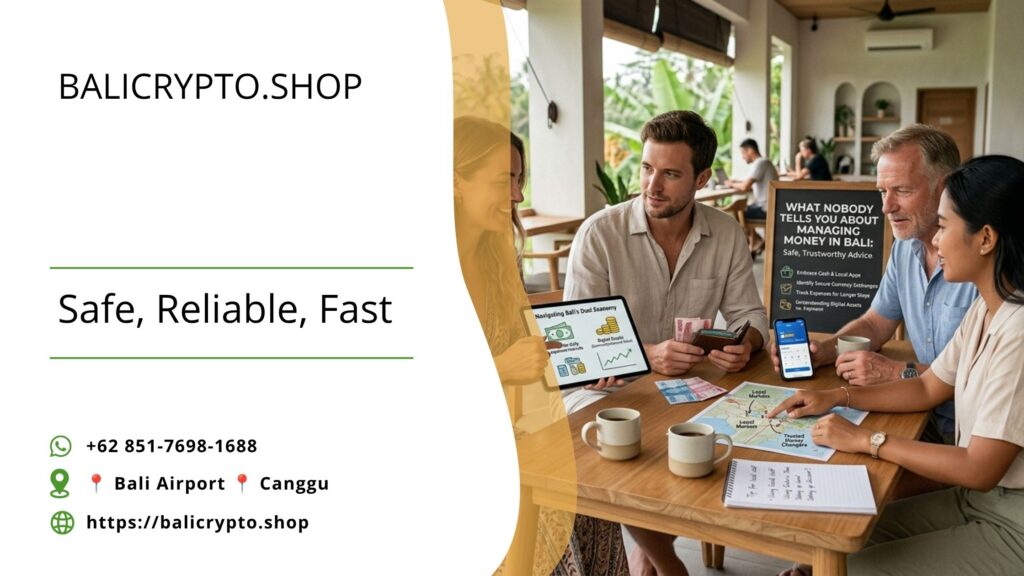
What nobody tells you about managing money around Bali is that the island’s economy functions on a unique blend of traditional cash transactions and increasingly sophisticated digital solutions. Many digital nomads and expatriates arrive expecting a straightforward banking experience, only to find that their international cards trigger high fees or unexpected security blocks. Furthermore, the reliance on cash for local services while navigating high-end digital infrastructure creates a financial friction that requires a nuanced strategy. This article reveals the practical, often overlooked realities of maintaining financial health while living in this vibrant tropical destination, ensuring you avoid common pitfalls that catch many newcomers off guard.
The Hidden Truths of Island Finances
When you arrive, the sheer number of payment methods can feel overwhelming. What nobody tells you about managing money around Bali is that convenience often comes with a steep hidden price. Traditional bank ATMs often charge excessive withdrawal fees, and international cards frequently apply poor exchange rates. Seasoned expats understand that the most effective way to handle your daily expenses involves a hybrid approach. You must prepare for a lifestyle where high-end villas accept digital transfers, yet your local morning market visit requires crisp, local currency. Understanding this duality is the first step toward true financial autonomy.
Why Your Home Bank Card Is Often a Liability
Relying solely on your domestic debit or credit card is a classic mistake. What nobody tells you about managing money around Bali is that your home bank may flag frequent international transactions as suspicious activity. This often leads to your account being frozen at the most inconvenient moment. To avoid this, you should always inform your bank of your travel dates or, better yet, open a local account. Maintaining a local account allows you to manage routine payments, such as electricity or internet bills, without relying on international wire transfers that suffer from slow processing times and high intermediary bank charges.
Navigating the Digital Asset Landscape
The rise of the digital economy has changed how many professionals live and work here. What nobody tells you about managing money around Bali is that having efficient, localized conversion options for your income is non-negotiable. Many nomads receive earnings in various global currencies, and navigating the conversion process through traditional banking channels is simply too slow. Instead, utilizing professional services that specialize in asset conversion helps you maintain liquidity. These services are often more reliable than bank branches, which may be closed during local holidays or outside standard business hours.
📲 WhatsApp us to +6285176981688 📍 Bali Airport 📍 Canggu
Cash vs. Digital: The Practical Reality
While the world moves toward a digital future, Bali remains deeply attached to its cash-based roots in many sectors. What nobody tells you about managing money around Bali is that cash remains the undisputed king for local commerce. Parking fees, small snacks, and traditional artisan purchases often cannot be settled via digital apps. You should always keep a reserve of local currency in your wallet. However, do not walk around with large sums for safety reasons. Balancing your digital wallet for professional expenses and your cash reserve for daily life is the gold standard for long-term residents.
Planning for the Unforeseen
Financial management is also about preparation. What nobody tells you about managing money around Bali is that unexpected costs—such as medical emergencies or rapid changes in visa regulations—can disrupt your budget without warning. You must maintain a contingency fund that is easily accessible. Many travelers neglect insurance, assuming they can pay for emergencies out of pocket. This is a dangerous gamble. Proper insurance is a financial tool that protects your primary savings from being wiped out by a single bad day. Being financially prepared means having an exit strategy and a safety net that remains unaffected by daily fluctuations.
Conclusion
Ultimately, what nobody tells you about managing money around Bali is that your financial success depends on your ability to adapt to a hybrid system. By setting up local banking, using digital assets efficiently, and respecting the essential role of cash, you can navigate the island’s economic landscape with total confidence. Do not wait until you face a transaction error to start organizing your finances. Take control of your assets, stay liquid, and enjoy the peace of mind that comes with being prepared. The beauty of Bali is best experienced when you are not worried about your wallet.
📲 WhatsApp us to +6285176981688 📍 Bali Airport 📍 Canggu
Disclaimer:
We are not a crypto exchange. We operate as an aggregator, connecting customers with 4+ licensed exchange partners to compare available rates.
Any rate shown is for reference only and may vary based on market conditions, liquidity, and the selected exchange.
In accordance with the Stablecoins Ordinance, we do not provide quotes. For current market information, please refer to authoritative sources or consult a financial advisor.